Since 1933, the ancient works—which had previously been on display in the Medieval Gallery and the Cour d’Honneur of the Calvet Museum—have been housed in the former chapel of the Jesuit college, located on Avignon’s main thoroughfare.
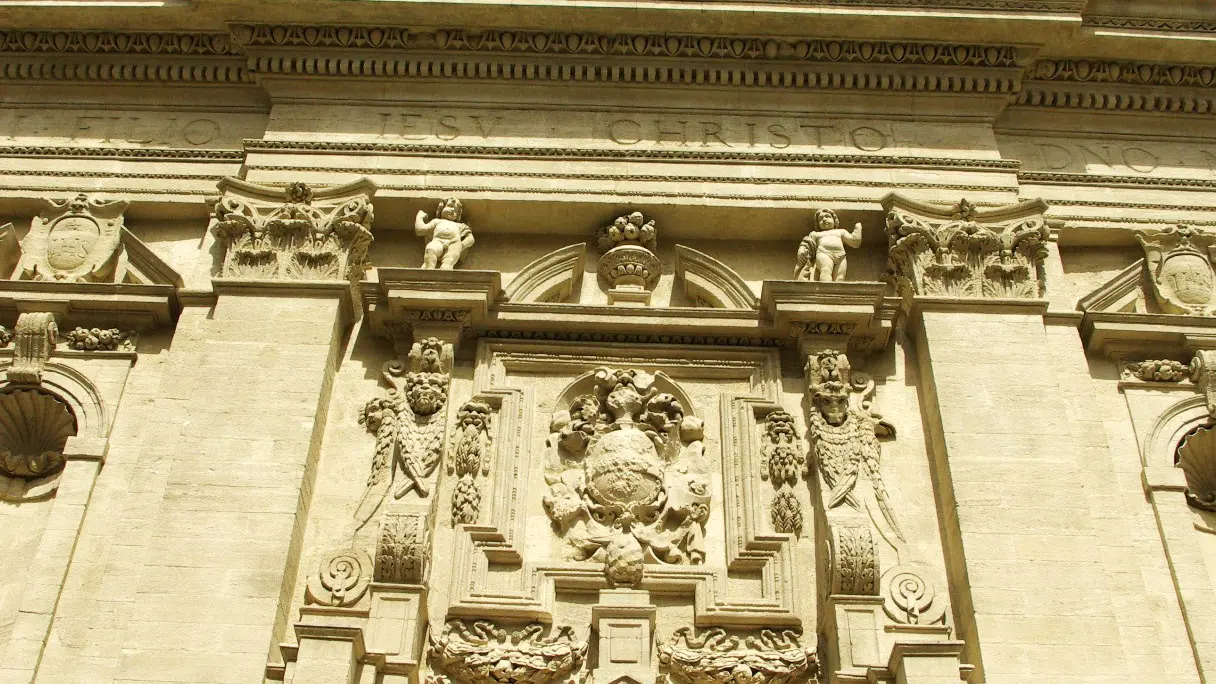
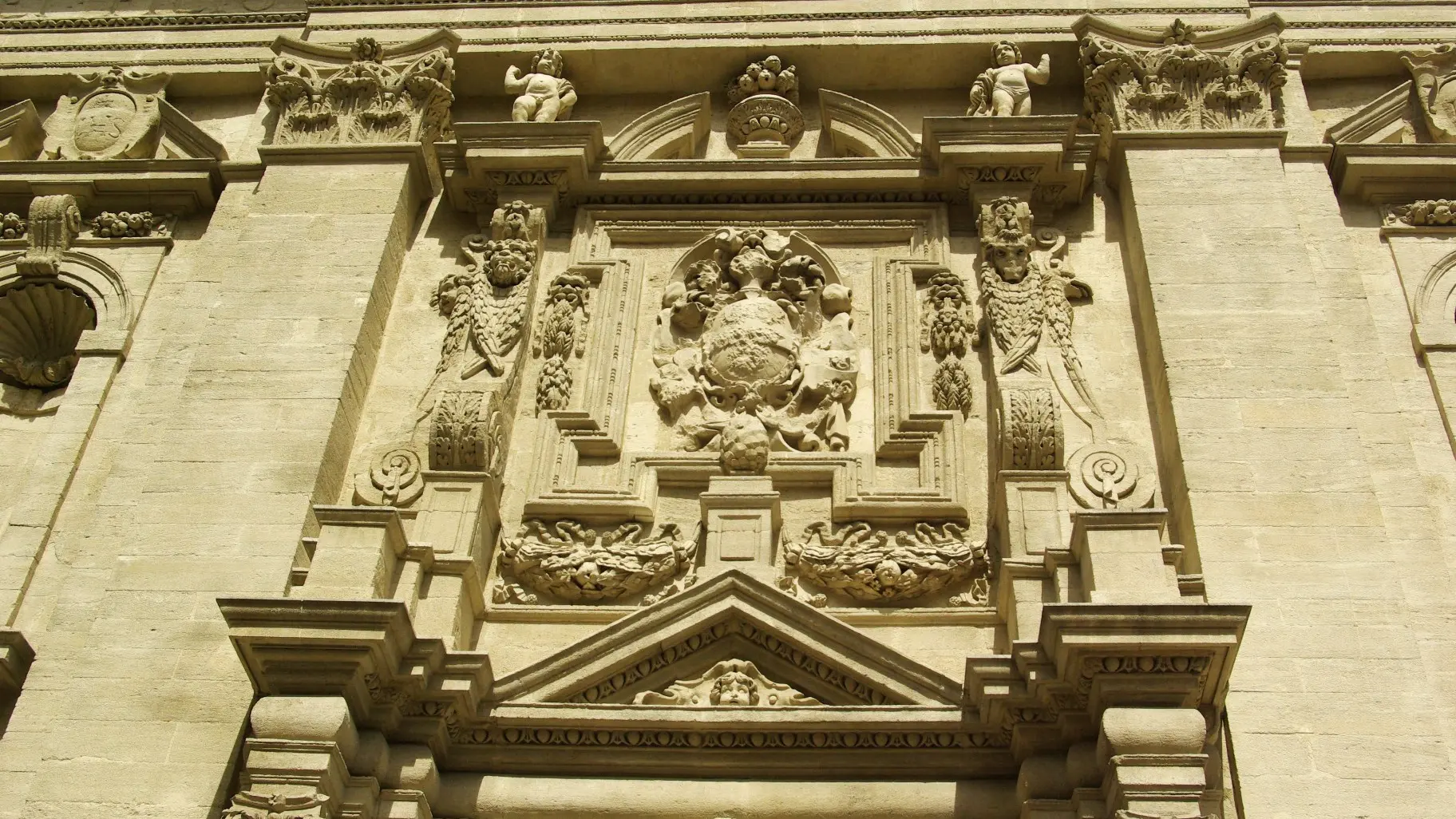
This masterpiece of Baroque architecture is the work of two great architects, Etienne Martellange and François des Royers de la Valfenière.
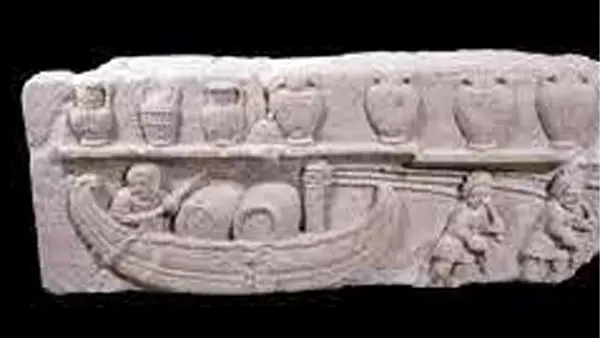
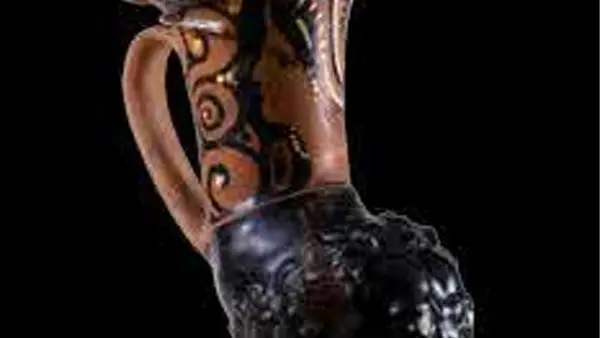
Construction began in 1620 and was completed in 1655, the year of its consecration. While the building’s floor plan is remarkably simple, the frieze above the galleries is striking for its sculptural richness, and this abundance of detail attests to a decorative renovation that took place in the second half of the 17th century. In this vast space, the rooms on the left side of the nave—completed in 2014—house a remarkable collection of funerary reliefs, Greek votive offerings, Attic vases, Corinthian and Italic vases, terracotta works, and a few sculptures in the round, including a Greek original from the Hellenistic period. The right side features sculptures from Imperial Rome, including a monumental statue of a draped woman from the prestigious collection of Cardinal Richelieu.
The Celtic section features two exceptional pieces: the “Tarasque” from Noves, a man-eating monster, and the “warrior” statue from Mondragon. A wealth of inscriptions, statues, and architectural decorative elements from Roman Gaul—the result of discoveries made in the Vaucluse region as early as the 19th century—complete the panorama of Gallo-Roman civilization.
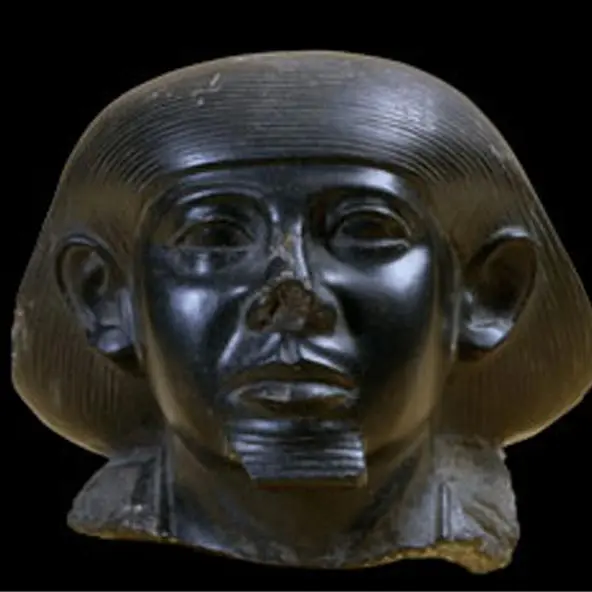
The collection traces its origins to the cabinet of curiosities of Esprit Calvet (1728–1810), the founder of the museum that bears his name. The collection was expanded in the 19th and 20th centuries through countless acquisitions—notably, in 1841, the purchase of part of the Venetian collection of the Nani di San Trovaso—as well as through donations, such as the one made in 1986 by the great collector, Marcel Puech. In 2018, a selection of Egyptian works, previously housed at the Calvet Museum, will be moved to this location.
IH: Exterior—access ramp leading to the museum.
Interior—Visitors can move freely through the museum; there are several ramps that facilitate access to the collections located in the side rooms on the left and the nave.
See the historical brochure on the Jesuit Chapel below.