The Aven d'Orgnac Grand Site has implemented initiatives to promote more sustainable and responsible tourism, particularly in connection with the “Grand Site de France” program (2004, renewed in 2010, 2016, and 2023), a designation awarded every six years by the Ministry of the Environment to French sites managed in accordance with the principles of sustainable development, in a sustainable manner, while preserving the natural site and the environment.
This initiative to promote sustainable tourism focuses both on the site itself (300 photovoltaic panels, LED and sequential lighting, an ecological basin for natural regulation through plants, caving practices that respect the site, …), and its scientific uniqueness, which contributes to research on environmental topics (climatology and paleoclimatology, study and correlation of surface and subsurface biodiversity, protection and promotion of evidence from the past: paleontology, archaeology, karstology, geomorphology, etc.), its economic environment (promotion of local winemakers and producers through the farmers’ market and wine-tasting tours), as well as its natural environment (enhancement of trails and biodiversity, natural areas, picnic areas, and parking integrated into the landscape). Beyond that, the site continues its efforts to promote sustainable tourism, particularly by refining its offerings to fully account for its current and future economic, social, and environmental impacts, while meeting the needs of visitors, environmental professionals, and host communities:
- employment (particularly policies regarding seasonal workers),
- energy-efficient renovations (administrative buildings and museum storage facilities),
- admission pricing policies (families, groups, local residents, etc.),
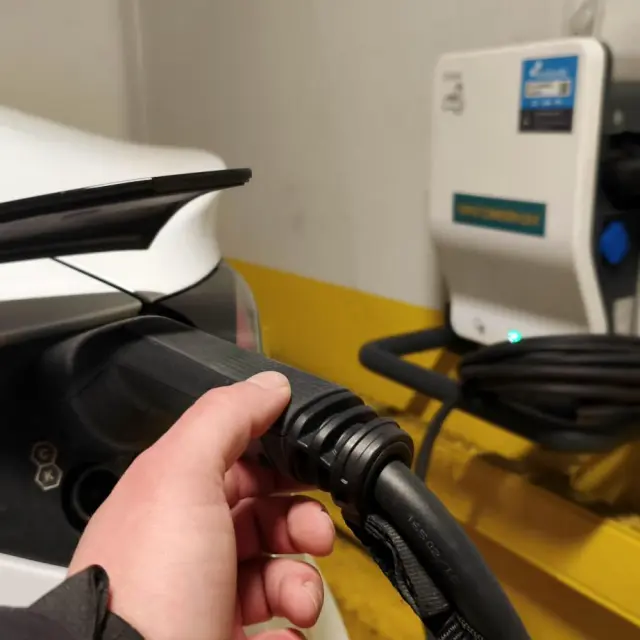
- sustainable transportation on-site and to the site,
- education (educational programs, school and non-school activities, exhibitions related to the site’s history…),
- cultural programs (lecture series, collaboration with local professional and amateur cultural organizations and nearby cultural sites),
- scientific studies and research related to the environment,
- access policies for people with disabilities,
- collaboration with businesses in southern Ardèche exploring sustainable tourism (tourism professionals, leading companies in the field—e.g., Occitane/Melvita, the agricultural sector, etc.),
- development and promotion of a half-day to full-day site exploration program (taking one’s time, fewer daily trips between different sites…),