


Description
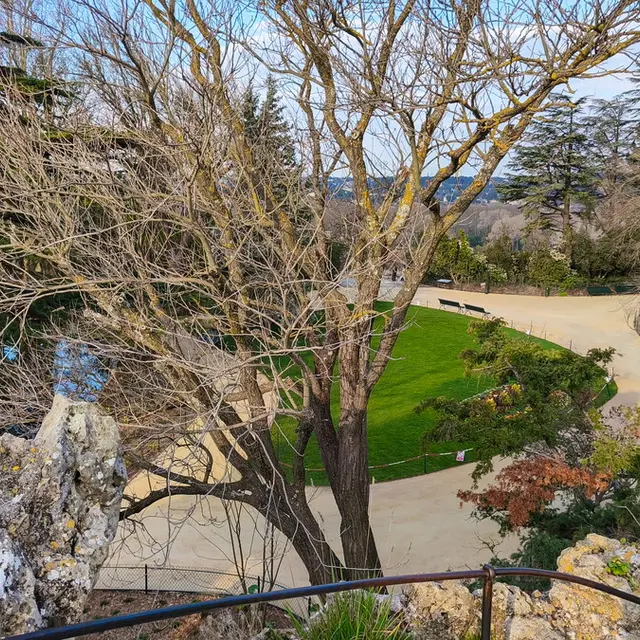
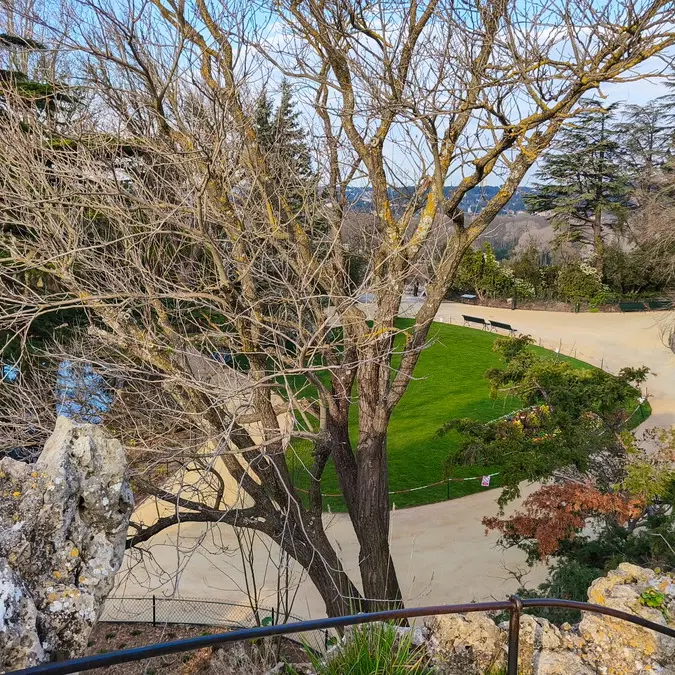
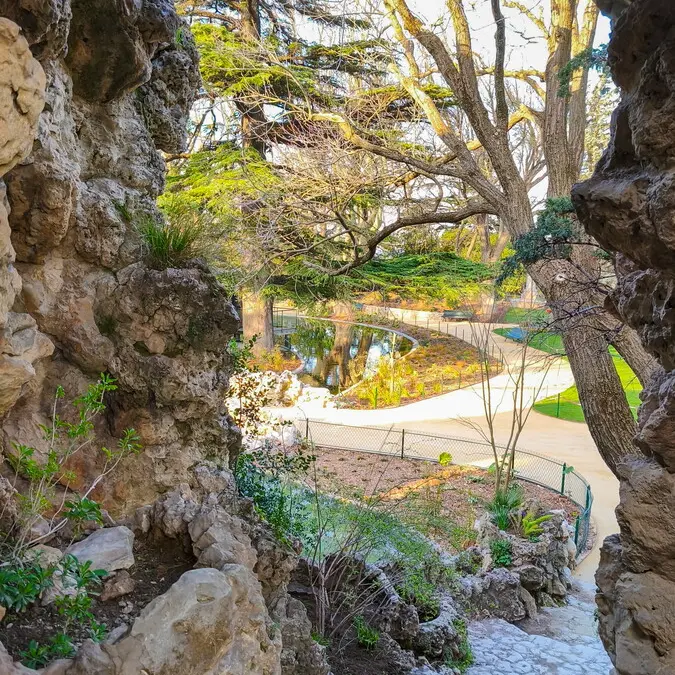
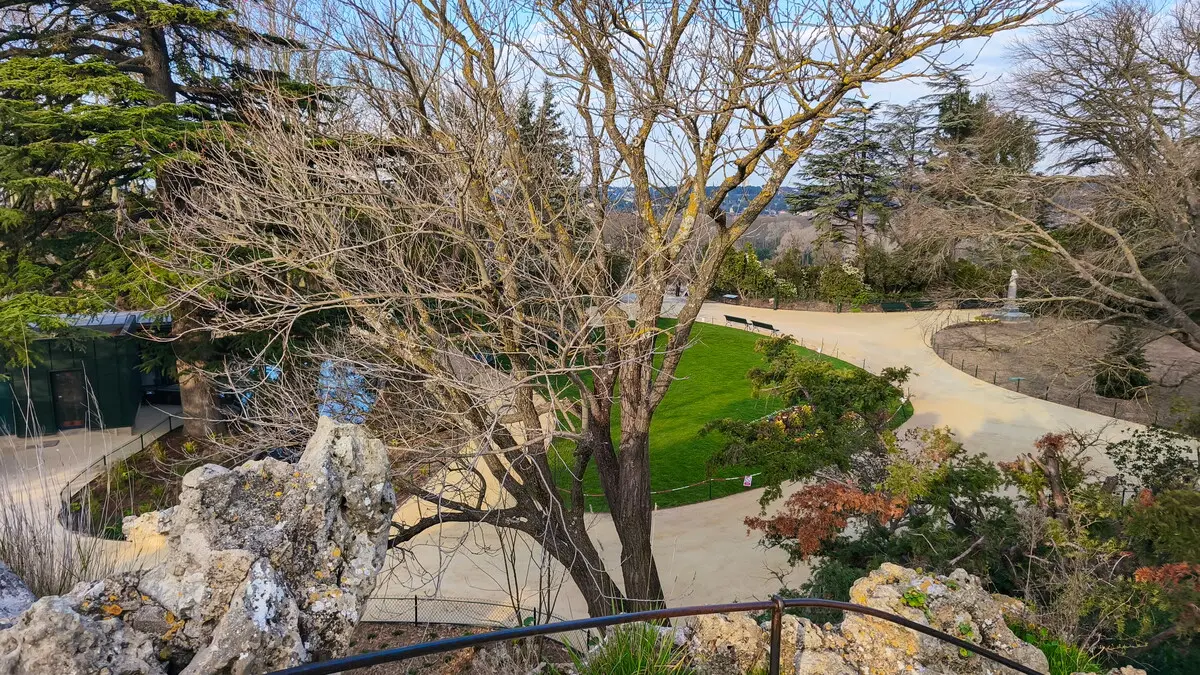
This English-style garden, set on the rock overlooking the Palais des Papes, rises 30m above the Rhône and offers a magnificent panoramic view of the old town, monuments and landscapes from the Rhône plain to Mont Ventoux.
After several months' work, the Rocher des Doms is - in part - open to the public, returning to the splendor of its predecessor and designer, Barillet-Deschamps.
This long-term project aims to requalify the entire site.
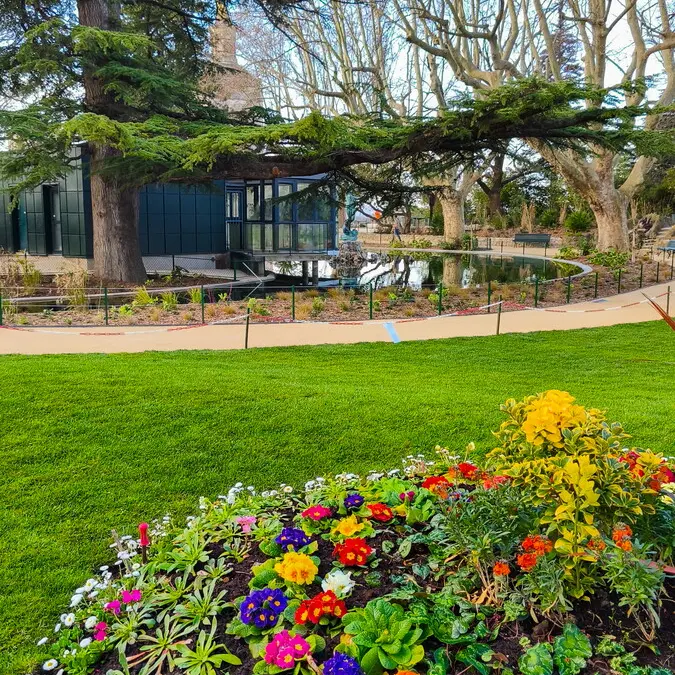
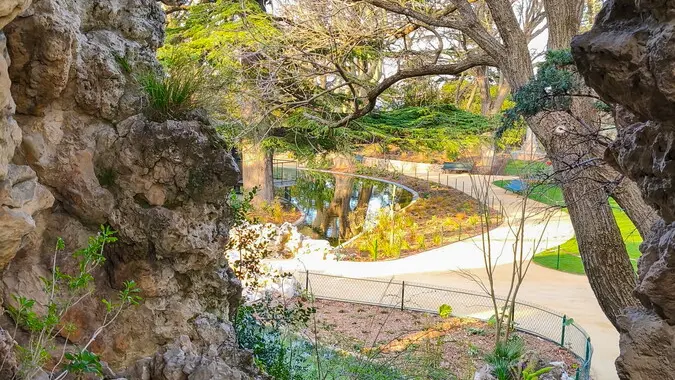
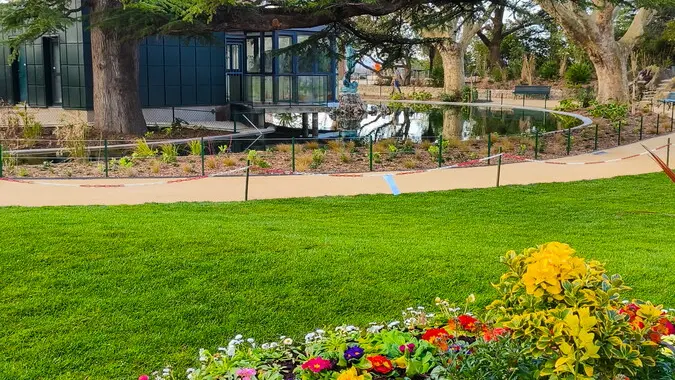
As a reminder, the site has been revegetated with species adapted to the Mediterranean climate, notably along the pathways and on the eastern terrace, where a phrygana garden (small insects) will be created. The soil has been desilted to encourage the infiltration of rainwater. The grotto, fountain and reservoir have been renovated. The same goes for the toilets (made accessible to people with reduced mobility) and the premises for the town's eco-guards and gardeners. For everyone's comfort, water points and seats have been installed. Last but not least, the playground has been modernized and now features a giant drac, a mythological creature half-fish half-dragon.
This garden was the cradle of the town: archaeological studies attest to human occupation as far back as the Neolithic period. The remains of this ancient presence can now be admired at the Calvet Museum.
In the 19th century, major works were undertaken to turn the garden into a real park: trees and lawns from the former Jardin des Plantes were planted, water reservoirs were installed, a pond was created and statues of famous people adorned the path (Jean Althen, Félix Gras, "Vénus aux Hirondelles" by Félix Chapentier, etc.).
Animals are not allowed.
At the foot of the Rocher, on the Rhone side, a free river shuttle takes you across the river to Barthelasse Island, a verdant setting for a stroll.