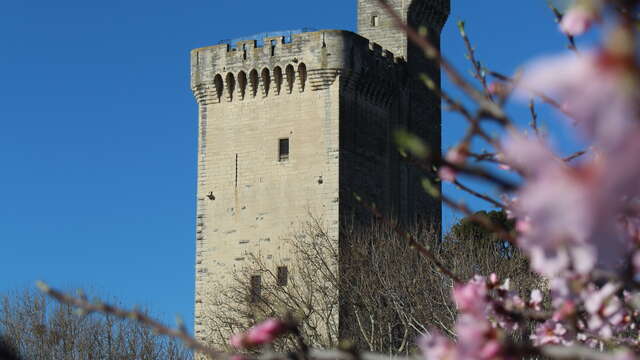



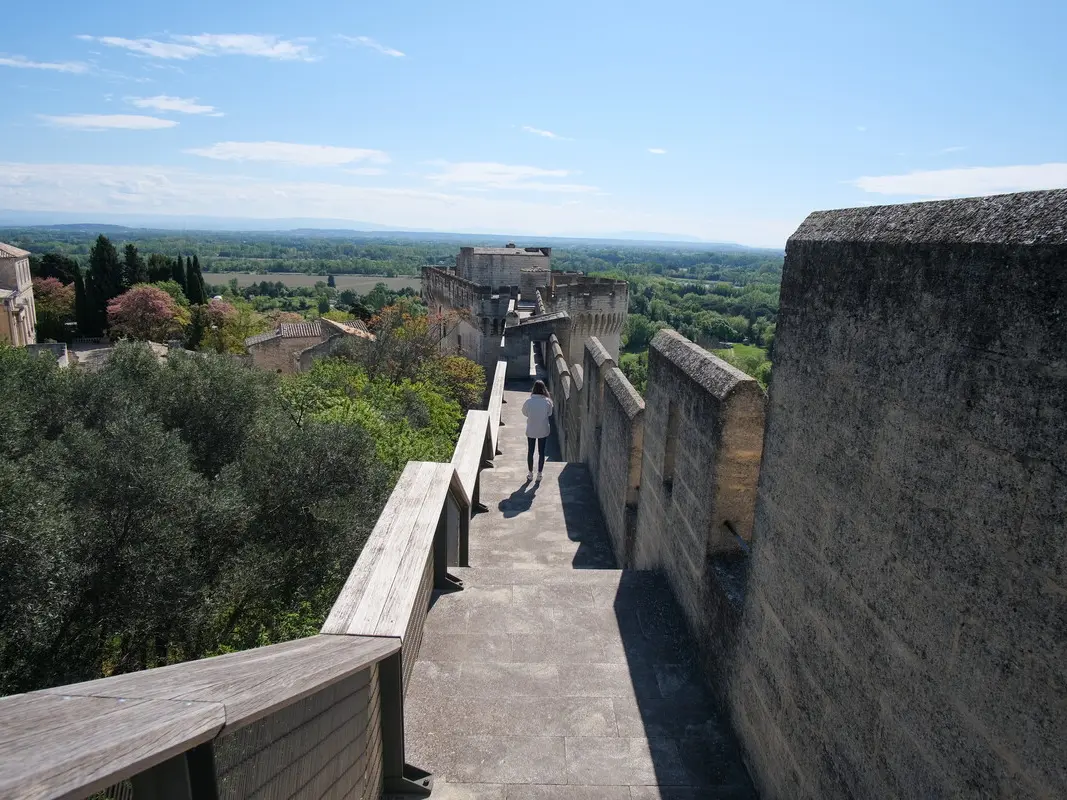
1Philippe Le Bel tower
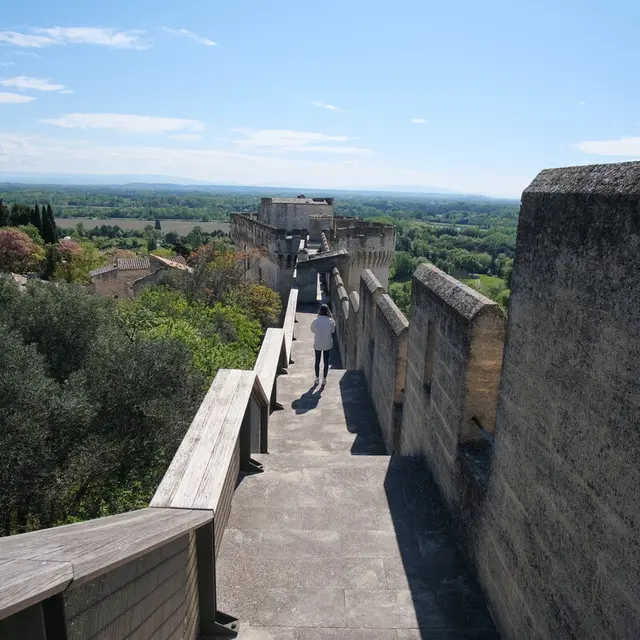
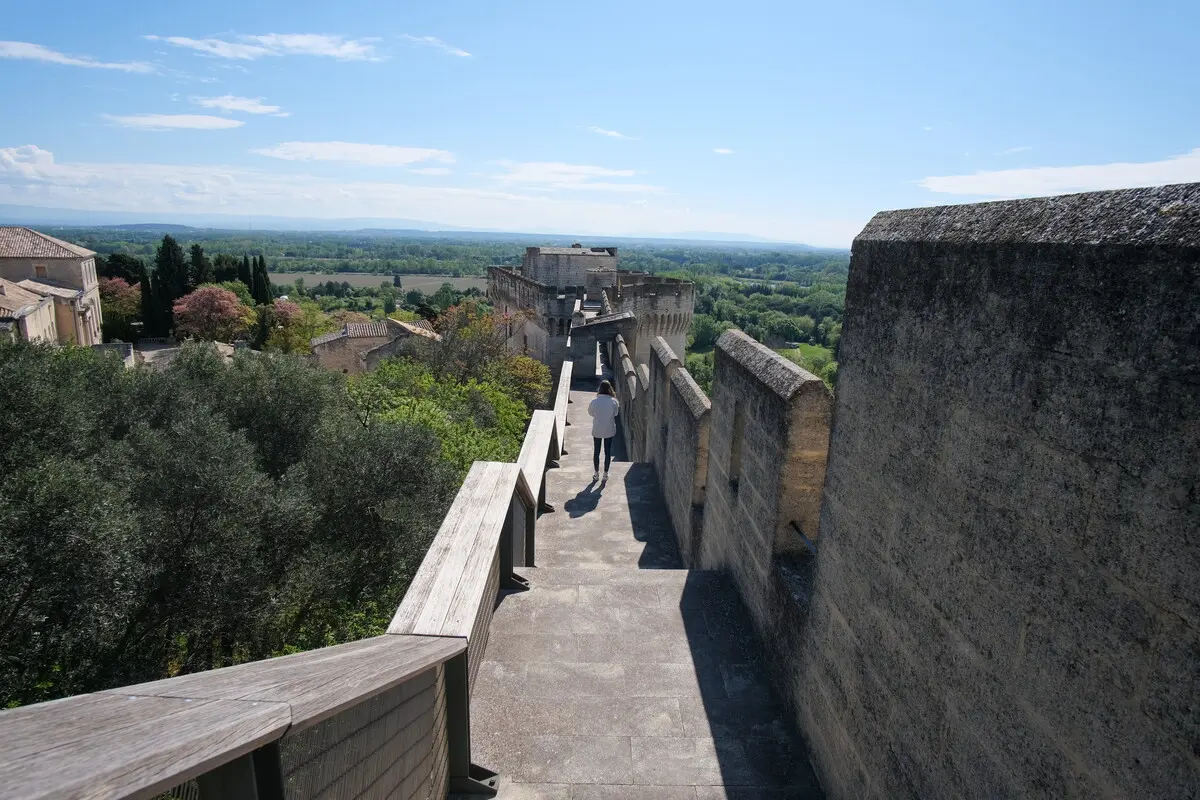
Keep of a fortress built by Philippe le Bel in 1292 at the entrance to the Pont d’Avignon.
2Hôtel des Monnaies
Remains of the palace of Pope Clement VI, it occupied the entire hill overlooking the Rhône
3Rue de la Monnaie
Ancient route from Italy to Spain.
4
7 hectare park which belonged to the palace of Clement VI. Panoramic view.
5Rue de l'hôpital
Under its arcades were held the fairs which made Villeneuve prosperous.
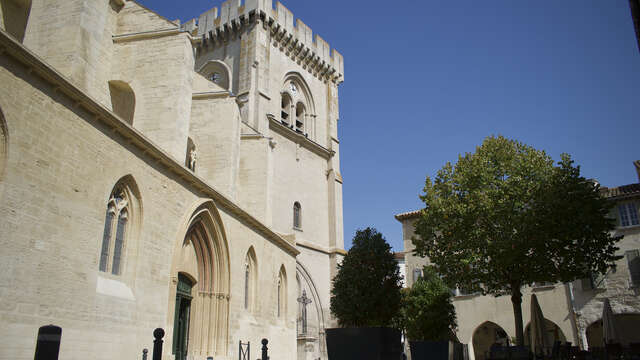
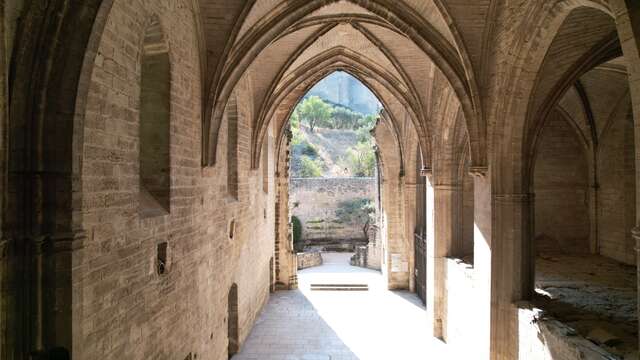
6
Built in 1327 by Cardinal Arnaud de Via to house his tomb. Cross the cloister of the Collegiate Church to reach Rue de la République.
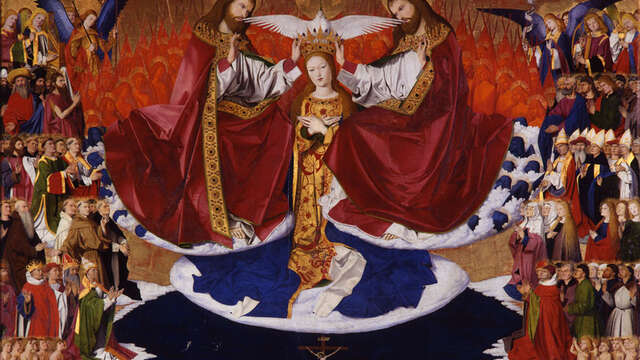
7Pierre de Luxembourg museum
Former palace of Cardinal Annibal de Ceccano.
8Place Jean Jaurès
Dominated by the slate-covered tower of the palace of Cardinal du Pouget.
9Hôtel Calvet
Built in 1664.
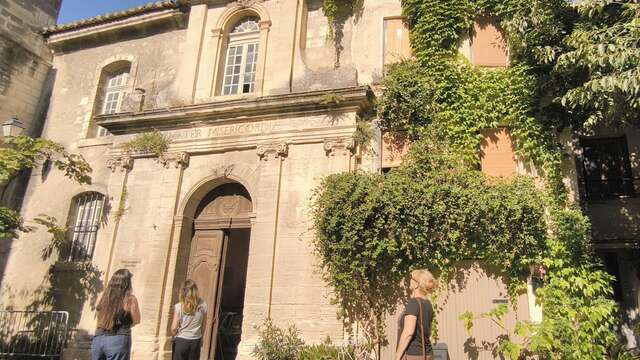
10 Chapel of the Gray Penitents
Chapel of the Gray Penitents
11La Chartreuse
National Center for Performing Arts. Go around the Chartreuse via rue de l’Amelier, then go up to the Fort via Chemin des Chartreux.
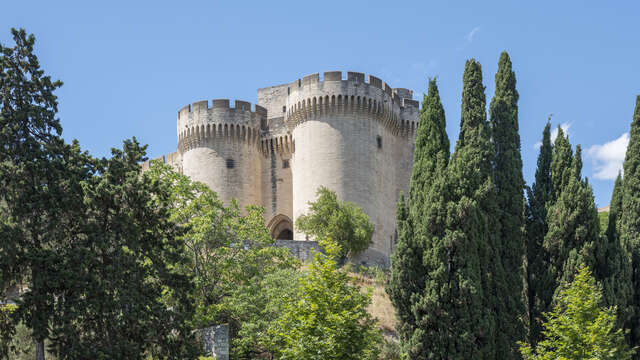
12Fort Saint André
Built in 1362, at the same time as the ramparts of Avignon, to protect the Saint-André Abbey and the Bourg Saint-André.
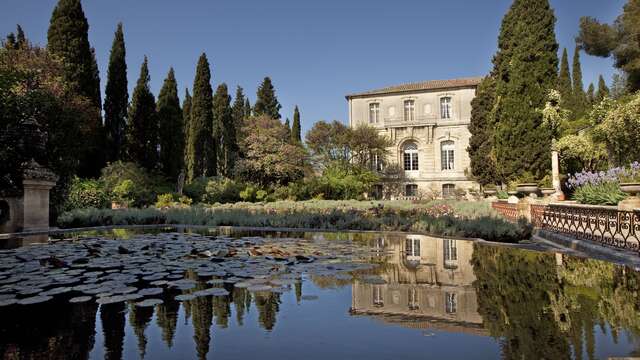
13Abbaye Saint André
The former Benedictine abbey from the 10th century is the birthplace of Villeneuve. Its Italian gardens are labeled Remarkable Gardens.
14Quartier du Bourguet
Core of the “new town” founded by Philippe le Bel on March 12, 1293. Go down rue du Grand Bourguet to rue Marcel Fabrigoule then go left to Place Charles David.
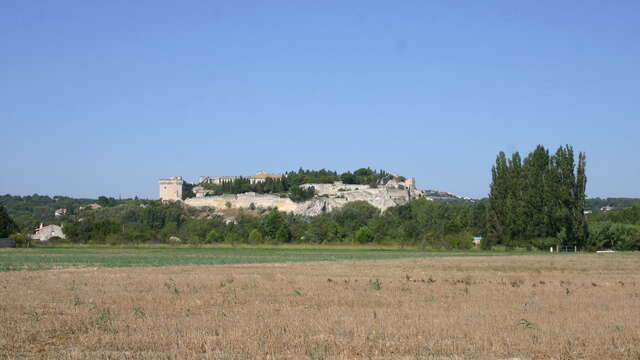
15Plaine de l'abbaye
On the current square, the port of Villeneuve was located. Born from the deposit of alluvium from the river and gradually put into cultivation, the Plaine de l’Abbaye has been a Classified Site since 1975.