



Discover an exceptional collection of figurative paintings from Post-Impressionism to the present day, featuring masterpieces by some of the greatest modern painters: Renoir, Matisse, Bonnard, Signac, Marquet, Valadon, Van Dongen...
Musée Albert-André: the museum of friendship. The first provincial museum of modern art
It was the painter Albert André (1869-1954) who, when he became curator in 1917, turned the encyclopedic museum in Bagnols-sur-Cèze into the first museum of contemporary art in France. Grenoble and Saint-Tropez soon followed suit.
Described as a museum of friendship, the collection was enriched by donations from painters who were friends of the curator. The masters Renoir and Monet gave him the expected support, as did the artists of his generation: Georges D'Espagnat, Louis Valtat, Jean Puy...
The "young painters" of the 1950s
From the 1950s onwards, the "Jeune Peinture" movement advocated a return to figuration. The museum is particularly rich in evidence of this new figurative wave: Bardone, Génis, Guiramand combine tradition and modernity in the jubilation of color, soon followed by Lesieur, Collomb, Lorjou, Minaux, Brasilier, Petit, Parsus, Rodde and more recently by Cayol, Cottavoz, Maly, Steiner...
The George Besson collection
What all these artists have in common is their close relationship with art critic George Besson, who was an ardent supporter of their work, notably in Les Lettres françaises.
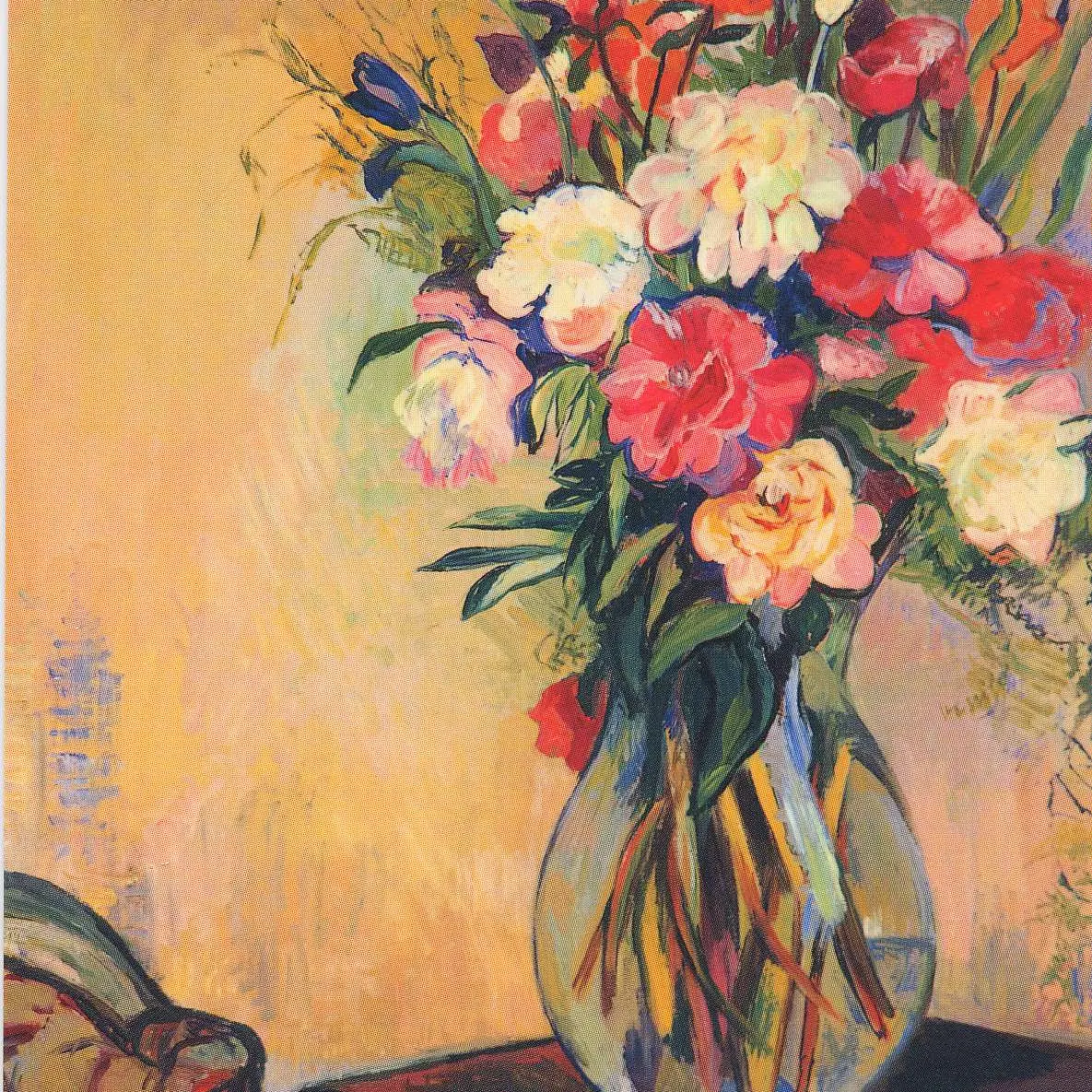
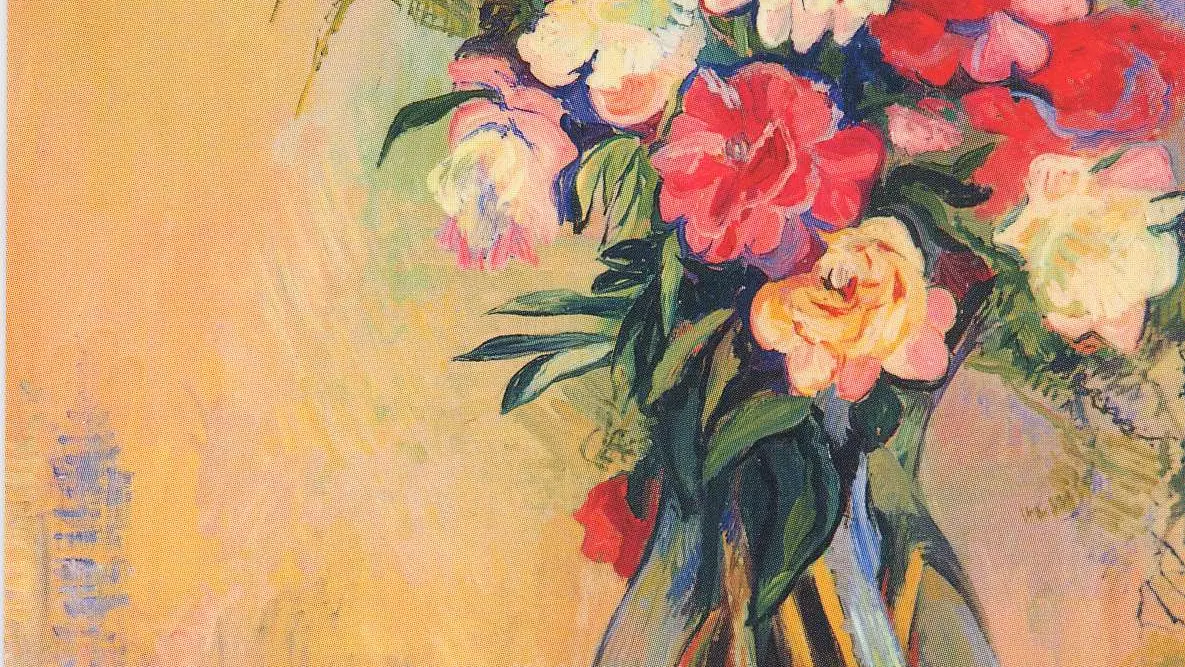
In the evening of his life, George Besson, in agreement with his wife, donated his collection to the French state, with part of it deposited in Bagnols-sur-Cèze. As a result, the Musée de l'Amitié is proud to present a number of emblematic masterpieces of twentieth-century art, including Marquet's Le 14 juillet au Havre, Matisse's La fenêtre ouverte à Nice, Bonnard's Bouquet de fleurs des champs and Van Dongen's Portrait d'Adèle Besson.
It was the painter Albert André (1869-1954) who, when he became curator in 1917, turned the encyclopedic museum in Bagnols-sur-Cèze into the first museum of contemporary art in France. Grenoble and Saint-Tropez soon followed suit.
Described as a museum of friendship, the collection was enriched by donations from painters who were friends of the curator. The masters Renoir and Monet gave him the expected support, as did the artists of his generation: Georges D'Espagnat, Louis Valtat, Jean Puy...
The "young painters" of the 1950s
From the 1950s onwards, the "Jeune Peinture" movement advocated a return to figuration. The museum is particularly rich in evidence of this new figurative wave: Bardone, Génis, Guiramand combine tradition and modernity in the jubilation of color, soon followed by Lesieur, Collomb, Lorjou, Minaux, Brasilier, Petit, Parsus, Rodde and more recently by Cayol, Cottavoz, Maly, Steiner...
The George Besson collection
What all these artists have in common is their close relationship with art critic George Besson, who was an ardent supporter of their work, notably in Les Lettres françaises.
In the evening of his life, George Besson, in agreement with his wife, donated his collection to the French state, with part of it deposited in Bagnols-sur-Cèze. As a result, the Musée de l'Amitié is proud to present a number of emblematic masterpieces of twentieth-century art, including Marquet's Le 14 juillet au Havre, Matisse's La fenêtre ouverte à Nice, Bonnard's Bouquet de fleurs des champs and Van Dongen's Portrait d'Adèle Besson.